
Boost Sustainability with Smart Hygiene Practices: A Guide to Hygiene and Sustainability
- Mario Mateus
- May 11
- 4 min read
In today’s world, sustainability is more than just a buzzword. It’s a lifestyle choice that reflects how we care for our planet and ourselves. One area where sustainability can make a big impact is hygiene. By adopting smart hygiene practices, you can reduce waste, save resources, and still enjoy a clean, fresh, and comfortable home. Let me walk you through practical ways to boost sustainability with your daily hygiene routine.
Understanding the Link Between Hygiene and Sustainability
Hygiene and sustainability go hand in hand. When you think about hygiene, you probably picture cleanliness, health, and comfort. But sustainability adds another layer: how your hygiene habits affect the environment. For example, using disposable wipes or plastic-heavy products might keep you clean, but they also create waste that harms ecosystems.
To boost sustainability, focus on products and habits that minimize environmental impact. This means choosing items made from renewable materials, reducing water and energy use, and avoiding single-use plastics. Simple changes like switching to bamboo toothbrushes, using refillable soap dispensers, or washing clothes in cold water can make a big difference.
Here are some key areas to consider:
Water conservation: Turn off taps while brushing teeth or lathering soap.
Waste reduction: Opt for reusable or biodegradable hygiene products.
Energy efficiency: Use energy-saving appliances for laundry and cleaning.
Eco-friendly ingredients: Choose products free from harmful chemicals.
By making these choices, you not only protect the planet but also create a healthier environment for yourself and your family.

Practical Tips to Make Your Hygiene Routine More Sustainable
Changing your hygiene habits doesn’t have to be complicated. Here are some actionable tips you can start using today:
Switch to sustainable toothbrushes: Bamboo toothbrushes are biodegradable and just as effective as plastic ones.
Use refillable soap and shampoo bottles: This reduces plastic waste and often saves money.
Choose natural and biodegradable wipes: Avoid synthetic wipes that take years to decompose.
Opt for reusable cotton pads: Instead of disposable cotton balls or pads, washable ones are gentle on your skin and the planet.
Reduce water usage: Take shorter showers and fix leaks promptly.
Wash clothes in cold water: This saves energy and extends the life of your garments.
Air dry when possible: Skip the dryer to save electricity.
Recycle packaging: Clean and recycle containers whenever possible.
These small steps add up. Over time, they can significantly reduce your environmental footprint while keeping your hygiene routine effective and enjoyable.
What does pepping up mean?
You might have come across the phrase pepped up in various contexts. It generally means to make something more lively, energetic, or exciting. In the world of sustainability and hygiene, it can refer to enhancing your routine with eco-friendly products that make your bathroom experience more enjoyable and vibrant.
For example, switching to a brand that offers sustainable hygiene products can pepped up your daily routine by combining comfort with environmental responsibility. It’s about feeling good while doing good.
If you want to learn more about how to pepped up your hygiene habits sustainably, exploring brands committed to eco-friendly solutions is a great start.
How Smart Hygiene Practices Benefit the Environment and You
Smart hygiene practices don’t just help the planet; they also improve your well-being. Here’s how:
Less waste in landfills: Using biodegradable or reusable products means less trash piling up.
Reduced pollution: Eco-friendly ingredients prevent harmful chemicals from entering waterways.
Conservation of resources: Saving water and energy helps preserve natural resources for future generations.
Healthier indoor environment: Natural products often contain fewer irritants and allergens.
Cost savings: Many sustainable products last longer or reduce utility bills.
For example, switching to a refillable soap dispenser might seem small, but it cuts down on plastic waste and packaging. Using cold water for laundry saves energy and reduces your carbon footprint. These choices create a ripple effect that benefits the environment and your household.
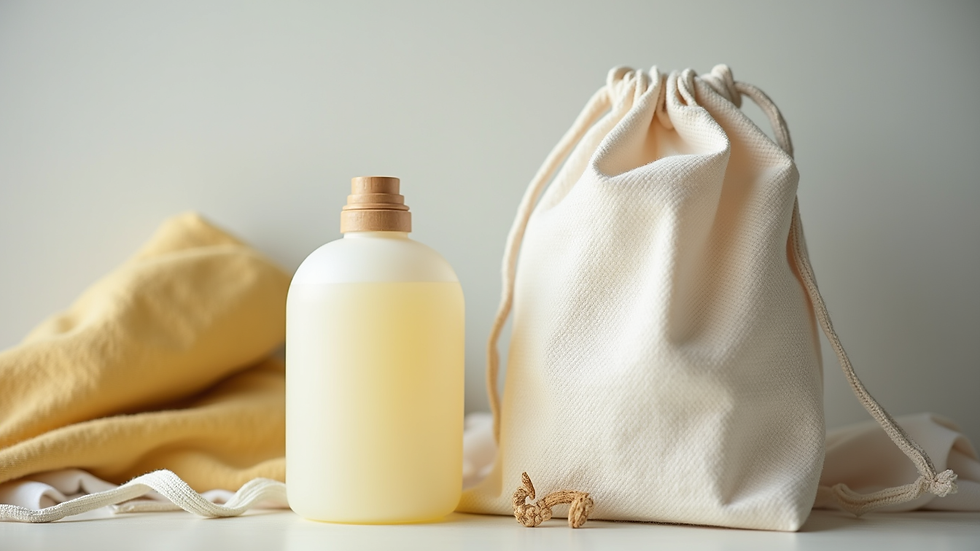
Creating a Sustainable Bathroom Experience
Your bathroom is a perfect place to start boosting sustainability. Here’s how to create a bathroom that’s both eco-friendly and comfortable:
Choose sustainable materials: Bamboo, recycled glass, and natural stone are great options for bathroom fixtures.
Install water-saving devices: Low-flow showerheads and dual-flush toilets reduce water use.
Use eco-friendly cleaning products: Avoid harsh chemicals that harm the environment.
Incorporate natural ventilation: This reduces mold and improves air quality without energy use.
Organize with reusable containers: Glass jars and metal tins reduce plastic clutter.
By designing your bathroom with sustainability in mind, you create a space that feels fresh and inviting while protecting the planet. Plus, these changes often improve your home’s value and comfort.
Your Role in a Greener Future Starts Today
Every small action counts when it comes to sustainability. By adopting smart hygiene practices, you’re making a positive impact on the environment and setting a new standard for responsible living. Remember, it’s not about perfection but progress.
Start by evaluating your current hygiene routine. Identify areas where you can reduce waste, save water, or switch to eco-friendly products. Celebrate your successes and keep exploring new ways to improve.
Together, we can create a world where hygiene and sustainability go hand in hand, making every bathroom experience super comfy and eco-friendly.
By embracing these smart hygiene practices, you’re not just cleaning your home—you’re helping clean the planet. Let’s keep our routines simple, effective, and pepped up with sustainability in mind.


Comments