
Eco Rolls: A Sustainable Choice for Hygiene
- Mario Mateus
- Sep 26, 2025
- 4 min read
In recent years, the demand for sustainable products has surged as people become more aware of their environmental impact. One area where sustainability is making a significant difference is in hygiene products, particularly toilet paper. Traditional toilet paper production often involves deforestation, excessive water use, and harmful chemicals. This has led to the rise of eco-friendly toilet paper options that prioritize environmental responsibility without compromising quality. Among these options, eco rolls stand out as a practical and sustainable choice for everyday hygiene.
Understanding Eco-Friendly Toilet Paper
Eco-friendly toilet paper is designed to minimize environmental harm throughout its lifecycle. This includes sourcing raw materials responsibly, using less water and energy during production, and ensuring the product is biodegradable and compostable. Unlike conventional toilet paper, which is often made from virgin wood pulp, eco-friendly alternatives use recycled paper, bamboo, or other sustainable fibers.
Key Features of Eco-Friendly Toilet Paper
Sustainable materials: Bamboo and recycled paper are common sources.
Chemical-free: Avoids chlorine bleaching and harmful dyes.
Biodegradable: Breaks down quickly in septic systems and the environment.
Minimal packaging: Often uses recycled or compostable packaging materials.
Switching to eco-friendly toilet paper helps reduce deforestation, lowers carbon emissions, and conserves water. It also supports a circular economy by encouraging recycling and responsible consumption.

Bamboo is a fast-growing, renewable resource used in eco-friendly toilet paper production.
Benefits of Using Eco-Friendly Toilet Paper
Choosing eco-friendly toilet paper offers several advantages beyond environmental impact. Here are some practical benefits:
1. Gentle on Skin
Eco-friendly toilet paper is often softer and free from harsh chemicals, making it suitable for sensitive skin. Bamboo fibers, for example, are naturally smooth and hypoallergenic.
2. Supports Sustainable Forestry
By opting for recycled or bamboo-based toilet paper, consumers help reduce the demand for virgin wood pulp, which contributes to deforestation and habitat loss.
3. Reduces Waste and Pollution
Eco-friendly toilet paper decomposes faster in water and soil, reducing the risk of clogged pipes and pollution in waterways. This is especially important for homes with septic systems.
4. Saves Water and Energy
The production of recycled and bamboo toilet paper typically uses less water and energy compared to traditional paper manufacturing.
5. Encourages Ethical Business Practices
Many brands producing eco-friendly toilet paper prioritize fair labor practices and environmental stewardship, supporting a more ethical supply chain.
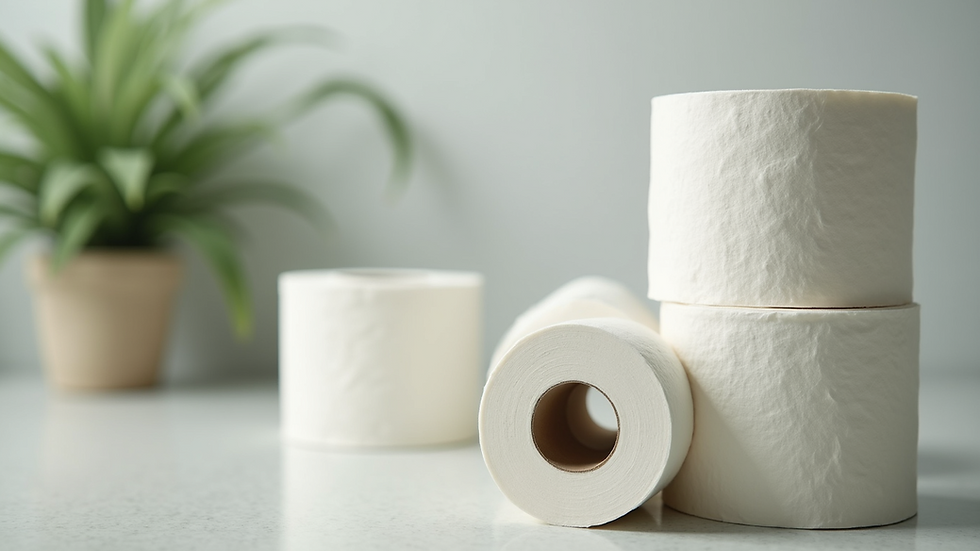
Eco-friendly toilet paper rolls are designed to be both sustainable and user-friendly.
Do Plumbers Recommend Bamboo Toilet Paper?
A common question among consumers considering eco-friendly options is whether bamboo toilet paper is safe for plumbing systems. The answer is generally yes, but with some considerations.
Why Plumbers Approve Bamboo Toilet Paper
Fast decomposition: Bamboo toilet paper breaks down quickly in water, reducing the risk of blockages.
Septic system friendly: It is less likely to cause septic tank issues compared to thicker, synthetic papers.
Durability: Despite being gentle on plumbing, bamboo toilet paper remains strong enough for effective use.
What to Watch Out For
Avoid excessive use: Using large amounts at once can still cause plumbing problems.
Check product specifications: Some bamboo toilet papers may contain additives or coatings that affect breakdown rates.
Consult local plumbers: Recommendations can vary based on plumbing system age and type.
Overall, many plumbers recommend bamboo toilet paper as a sustainable and practical alternative to conventional options, especially for households aiming to reduce their environmental footprint.
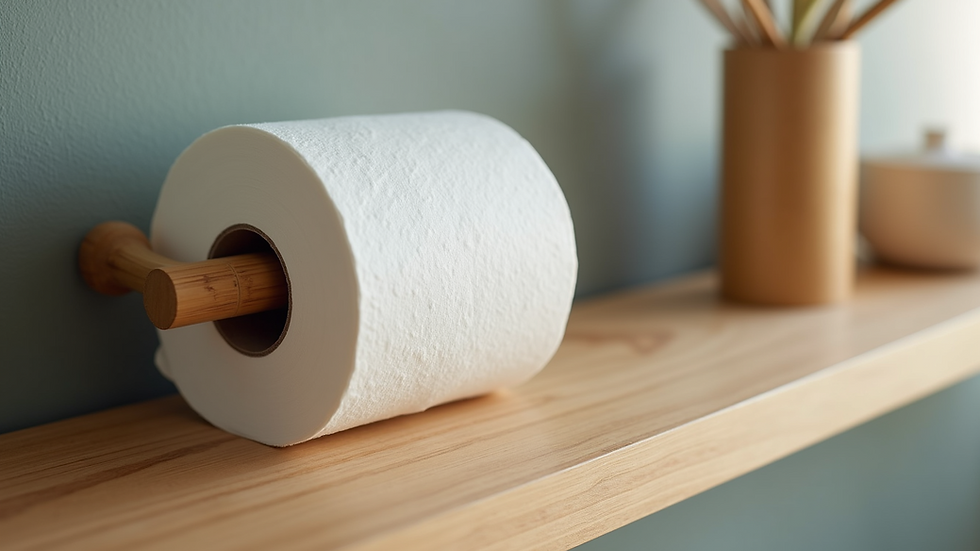
Bamboo toilet paper is often recommended for its plumbing-friendly properties.
How to Choose the Best Eco-Friendly Toilet Paper
With many options available, selecting the right eco-friendly toilet paper can be overwhelming. Here are some tips to help you make an informed choice:
1. Check the Material
Bamboo: Fast-growing and renewable, bamboo is a top choice.
Recycled paper: Look for 100% post-consumer recycled content.
Avoid virgin wood pulp: This reduces deforestation.
2. Look for Certifications
FSC (Forest Stewardship Council): Ensures responsible forest management.
EPA Safer Choice: Indicates safer chemical use.
Green Seal: Confirms environmental performance.
3. Consider Packaging
Choose products with minimal, recyclable, or compostable packaging to reduce waste.
4. Test for Comfort and Strength
Try different brands to find one that balances softness and durability to suit your preferences.
5. Read Reviews and Brand Ethics
Support companies committed to sustainability, transparency, and fair labor practices.
By following these guidelines, you can confidently select eco-friendly toilet paper that aligns with your values and needs.
Practical Tips for Using Eco Rolls in Your Home
Incorporating eco rolls into your daily routine is simple and rewarding. Here are some practical tips:
Start small: Replace one or two rolls at a time to adjust gradually.
Educate household members: Share the benefits and proper use to avoid waste.
Combine with other eco-friendly habits: Use water-saving fixtures and reduce overall paper use.
Dispose responsibly: Compost or recycle packaging when possible.
Buy in bulk: Reduces packaging waste and saves money.
Making these small changes can contribute significantly to reducing your household’s environmental impact while maintaining hygiene standards.
Switching to eco-friendly toilet paper like eco rolls is a simple yet impactful way to support sustainability. By understanding the benefits, consulting experts, and choosing wisely, you can enjoy a hygienic lifestyle that respects the planet. Embracing these products helps create a cleaner, greener future for everyone.


Comments