
Explore Sustainable Care Options for Care Homes
- Mario Mateus
- May 4
- 3 min read
When it comes to care homes, making sustainable choices is more important than ever. You want to create a safe, comfortable environment for residents while also protecting the planet. I’ve learned that embracing eco-friendly practices in care homes not only benefits the environment but also improves the quality of life for everyone involved. In this post, I’ll share practical tips and ideas to help you explore sustainable care options that are easy to implement and truly effective.
Why Sustainable Care Options Matter in Care Homes
Sustainability in care homes goes beyond just saving energy or reducing waste. It’s about creating a holistic approach that supports health, comfort, and environmental responsibility. Care homes consume a lot of resources daily - from water and electricity to cleaning products and food. By choosing sustainable care options, you can:
Lower operational costs through energy and water savings
Reduce harmful chemicals that affect residents’ health
Minimize waste and promote recycling
Support local and organic food suppliers
Foster a positive image as an eco-conscious facility
For example, switching to LED lighting and installing water-saving fixtures can cut utility bills significantly. Using biodegradable cleaning products keeps indoor air quality high, which is crucial for elderly residents with respiratory issues. These small changes add up to a big impact.
Practical Sustainable Care Options You Can Implement Today
You don’t have to overhaul your entire care home to make a difference. Start with manageable steps that fit your budget and needs. Here are some sustainable care options to consider:
Energy Efficiency
Replace incandescent bulbs with LED lights
Use programmable thermostats to control heating and cooling
Invest in energy-efficient appliances and equipment
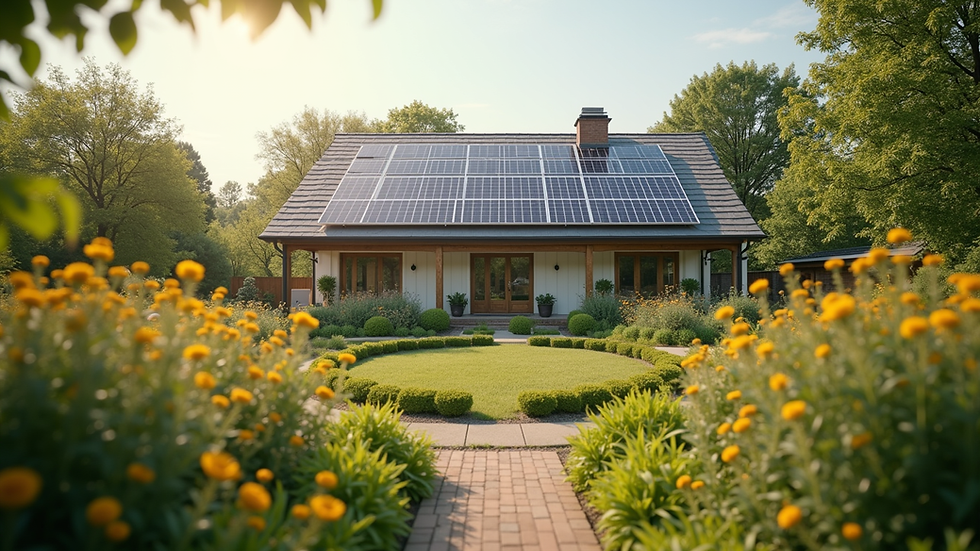
Consider renewable energy sources like solar panels
Water Conservation
Install low-flow faucets and showerheads
Fix leaks promptly to avoid water waste
Use rainwater harvesting systems for garden irrigation
Waste Reduction
Set up recycling stations for paper, plastic, and glass
Compost organic waste from kitchens and gardens
Choose reusable or biodegradable products over single-use items
Eco-Friendly Cleaning
Use non-toxic, biodegradable cleaning supplies
Train staff on proper cleaning techniques to reduce chemical use
Avoid air fresheners with harmful chemicals
Sustainable Food Choices
Source food locally to reduce carbon footprint
Offer more plant-based meal options
Grow herbs and vegetables onsite if possible
By integrating these options, you create a healthier environment for residents and staff while reducing your care home’s ecological footprint.

What are the 5 C's of sustainability?
Understanding the 5 C's of sustainability can guide your efforts in making care homes greener. These principles help balance environmental, social, and economic factors:
Conserve - Use resources wisely to avoid depletion. For care homes, this means saving water, energy, and materials.
Cycle - Promote recycling and reuse to keep materials in use longer. Composting food waste is a great example.
Care - Prioritize health and well-being of residents and staff by reducing exposure to harmful substances.
Connect - Build relationships with local suppliers and communities to support sustainable economies.
Create - Innovate new solutions that improve sustainability, such as green building designs or renewable energy projects.
Applying these 5 C's helps you develop a comprehensive sustainability strategy that benefits everyone.
How to Engage Staff and Residents in Sustainable Practices
Sustainability works best when everyone is involved. Engaging staff and residents creates a culture of care and responsibility. Here are some ways to encourage participation:
Education and Training: Offer workshops on sustainable habits and why they matter.
Incentives: Reward teams or individuals who contribute to sustainability goals.
Resident Activities: Organize gardening clubs, recycling challenges, or cooking classes with local produce.
Feedback Channels: Create suggestion boxes or meetings to gather ideas and concerns.
When people feel part of the process, they are more likely to adopt and maintain eco-friendly habits. Plus, these activities can boost morale and social interaction.
Moving Forward with Sustainable Care Options
Making your care home more sustainable is a journey, not a one-time project. Start small, track your progress, and celebrate successes. Remember, every step counts. By choosing sustainable choices thoughtfully, you contribute to a healthier planet and a better living space for your residents.
If you’re ready to take the next step, consider conducting an energy audit or waste assessment to identify key areas for improvement. Partner with suppliers who share your commitment to sustainability. And keep exploring new ideas to stay ahead in eco-friendly care.
Together, we can set a new standard for care homes that are not only comfortable and safe but also kind to the environment.

By embracing these sustainable care options, you’re making a positive impact that goes beyond your care home walls. It’s about creating a legacy of care - for people and the planet.



Comments