
Top Eco-Friendly Hygiene Products for Care Homes
- Mario Mateus
- 8 hours ago
- 4 min read
When it comes to care homes, hygiene is a top priority. But today, many of us want to make sure that the products we use are not only effective but also kind to the environment. Switching to eco-friendly options can make a big difference. I want to share some of the best sustainable hygiene products that care homes can use to stay clean, safe, and green.
Why Choose Top Eco-Friendly Hygiene Products for Care Homes?
Choosing eco-friendly hygiene products is more than just a trend. It’s a smart choice for care homes that want to reduce waste, lower their carbon footprint, and protect the health of residents and staff. These products are made from natural or recycled materials, use less plastic, and often come with biodegradable packaging.
Here are some benefits of switching to eco-friendly hygiene products in care homes:
Reduce environmental impact: Less plastic waste and fewer harmful chemicals.
Improve indoor air quality: Many conventional products contain harsh chemicals that can irritate sensitive skin or lungs.
Support sustainability goals: Care homes can lead by example in their communities.
Enhance comfort and safety: Natural ingredients are often gentler on the skin.
By choosing the right products, care homes can create a healthier, more sustainable environment for everyone.
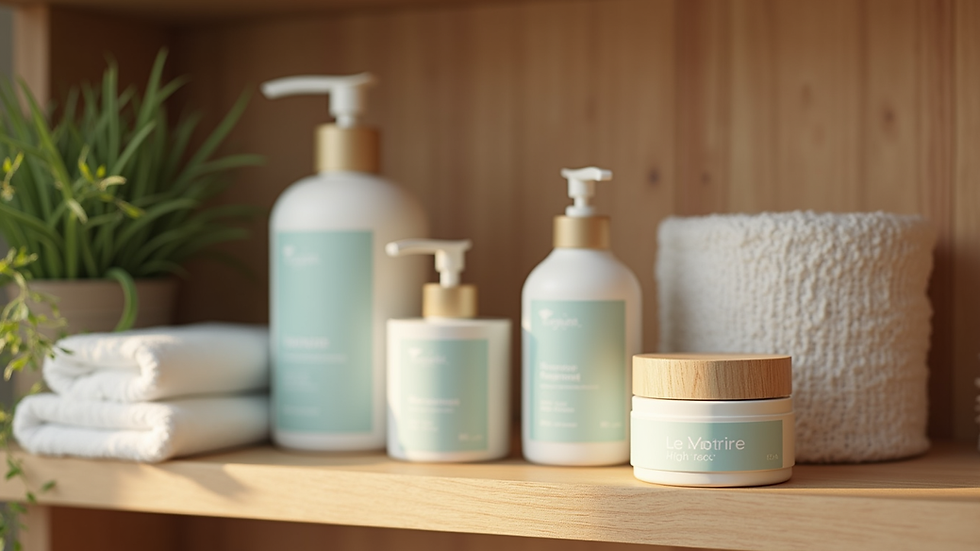
Top Eco-Friendly Hygiene Products for Care Homes
Let’s explore some of the best eco-friendly hygiene products that care homes can easily adopt. These products combine effectiveness with sustainability, making them perfect for daily use.
1. Biodegradable Wet Wipes
Wet wipes are essential in care homes for quick cleaning and hygiene. However, many wipes contain plastic fibers that do not break down easily. Biodegradable wet wipes are made from natural fibers like bamboo or cotton. They decompose quickly and reduce landfill waste.
Why choose biodegradable wet wipes?
Gentle on sensitive skin
Compostable or biodegradable
Free from harmful chemicals and fragrances
2. Refillable Soap Dispensers with Natural Soap
Using refillable soap dispensers helps cut down on single-use plastic bottles. Pair these dispensers with natural, plant-based soaps that are free from synthetic fragrances and dyes. This combination keeps hands clean and reduces plastic waste.
Benefits include:
Less plastic packaging
Natural ingredients that moisturize skin
Cost-effective in the long run
3. Compostable Gloves
Gloves are necessary for hygiene and protection in care homes. Compostable gloves made from materials like cornstarch or other plant-based polymers offer a sustainable alternative to traditional plastic gloves.
Advantages:
Biodegradable and compostable
Provide the same protection as regular gloves
Reduce plastic pollution
4. Recycled Toilet Paper and Paper Towels
Switching to toilet paper and paper towels made from 100% recycled materials is an easy way to reduce environmental impact. These products use less water and energy in production and help save trees.
Look for:
FSC-certified recycled paper
Unbleached or chlorine-free options
Softness and strength suitable for care home use
5. Eco-Friendly Sanitary Products
Care homes that support female residents can benefit from eco-friendly sanitary products. These include reusable menstrual cups, organic cotton pads, and biodegradable tampons. They reduce waste and avoid chemicals found in conventional products.
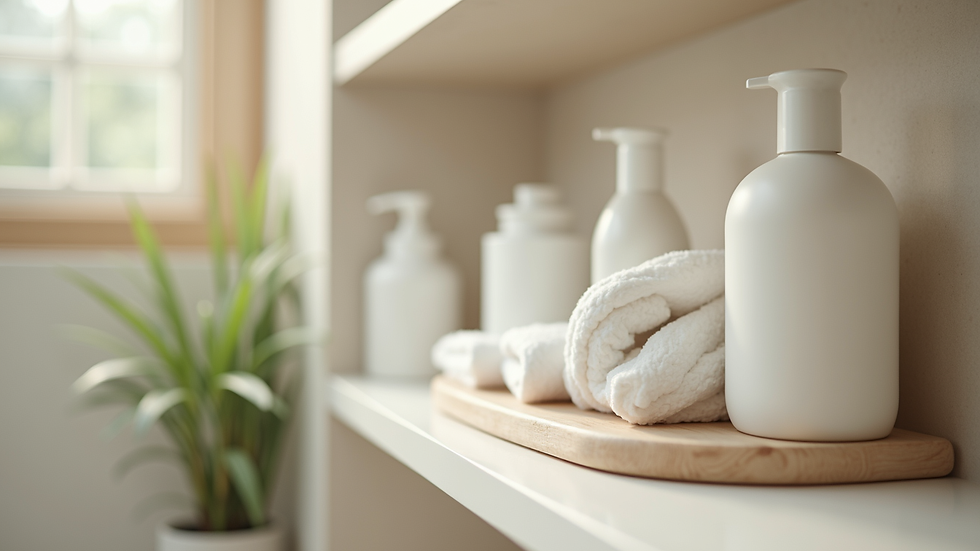
What is a sustainable alternative to sanitary pads?
Sustainable alternatives to traditional sanitary pads are gaining popularity for their environmental and health benefits. Here are some options that care homes can consider:
Reusable Cloth Pads: Made from organic cotton or bamboo, these pads can be washed and reused multiple times. They are soft, breathable, and reduce waste significantly.
Menstrual Cups: These silicone or rubber cups collect menstrual fluid and can be reused for years. They are cost-effective and produce zero waste.
Biodegradable Pads: Made from natural fibers and free from plastic, these pads break down quickly after disposal.
Using these alternatives helps reduce landfill waste and exposure to synthetic chemicals. Care homes can provide education and support to residents who want to try these options.
How to Implement Sustainable Hygiene Practices in Care Homes
Switching to eco-friendly products is just one part of the journey. To make a real impact, care homes should adopt sustainable hygiene practices that support these products.
1. Staff Training and Awareness
Educate staff about the benefits of sustainable hygiene products and how to use them properly. Training helps ensure products are used effectively and reduces waste.
2. Waste Management Systems
Set up clear recycling and composting bins. Make it easy for everyone to dispose of products correctly. This reduces contamination and increases recycling rates.
3. Regular Product Reviews
Evaluate hygiene products regularly to find better, more sustainable options. Stay updated on new innovations in eco-friendly hygiene products.
4. Engage Residents and Families
Involve residents and their families in sustainability efforts. Share information about the products used and encourage feedback.
5. Partner with Sustainable Suppliers
Work with suppliers who prioritize environmental responsibility. This supports the broader goal of sustainability and ensures product quality.
The Future of Hygiene in Care Homes
The future is bright for care homes that embrace sustainability. As more eco-friendly hygiene products become available, care homes can lead the way in creating healthier, greener environments. By choosing products that are safe, effective, and kind to the planet, care homes can set a new standard for hygiene.
If you want to explore more about sustainable hygiene products, there are many resources and suppliers ready to help you make the switch.
Together, we can make care homes cleaner, safer, and more sustainable for everyone.
Thank you for reading! I hope this guide helps you find the best eco-friendly hygiene products for your care home needs.


Comments