
Top Eco-Friendly Hygiene Products for Daily Use
- Mario Mateus
- May 18
- 4 min read
When it comes to daily hygiene, choosing the right products can make a big difference—not just for your health but also for the planet. I’ve been exploring ways to switch to eco-friendly hygiene products that are gentle on the environment and still deliver excellent results. If you want to reduce waste and embrace a greener lifestyle, this guide will help you discover some of the best sustainable options for your everyday routine.
Why Choose Eco-Friendly Hygiene Products?
Switching to eco-friendly hygiene products is more than just a trend. It’s a conscious decision to reduce your environmental footprint. Many conventional hygiene products contain plastics, chemicals, and non-biodegradable materials that harm ecosystems and contribute to landfill overflow.
Eco-friendly products, on the other hand, are designed with sustainability in mind. They often use natural ingredients, biodegradable packaging, and reusable or compostable materials. By choosing these products, you support a cleaner planet and healthier living.
Here are some benefits you can expect:
Reduced plastic waste: Many eco-friendly products come in recyclable or compostable packaging.
Natural ingredients: They avoid harsh chemicals that can irritate your skin and pollute water sources.
Long-term savings: Reusable products may cost more upfront but save money over time.
Supporting ethical brands: Many sustainable brands prioritize fair labor and environmental responsibility.
Top Eco-Friendly Hygiene Products to Try Today
Let’s dive into some of the best eco-friendly hygiene products that you can easily incorporate into your daily routine. These options are practical, effective, and kind to the planet.
1. Bamboo Toothbrushes
Plastic toothbrushes take hundreds of years to decompose. Bamboo toothbrushes are a fantastic alternative. They are biodegradable, durable, and often come with compostable packaging. The bristles are usually made from nylon, which can be recycled separately.
Tips for use:
Replace your bamboo toothbrush every 3 months.
Look for brands that use sustainably harvested bamboo.
Dispose of the handle in compost or garden waste.
2. Natural and Organic Soaps
Many soaps contain synthetic fragrances and chemicals that can irritate your skin and harm aquatic life. Natural soaps made from organic oils and essential oils are gentle and biodegradable.
What to look for:
Ingredients like coconut oil, shea butter, and olive oil.
No artificial dyes or parabens.
Packaging made from recycled paper or cardboard.
3. Reusable Cotton Rounds
Instead of disposable cotton pads, reusable cotton rounds are soft, washable, and last for years. They are perfect for removing makeup or applying toner.
How to care for them:
Wash in cold water with gentle detergent.
Air dry to maintain softness.
Store in a clean, dry place.
4. Menstrual Cups and Cloth Pads
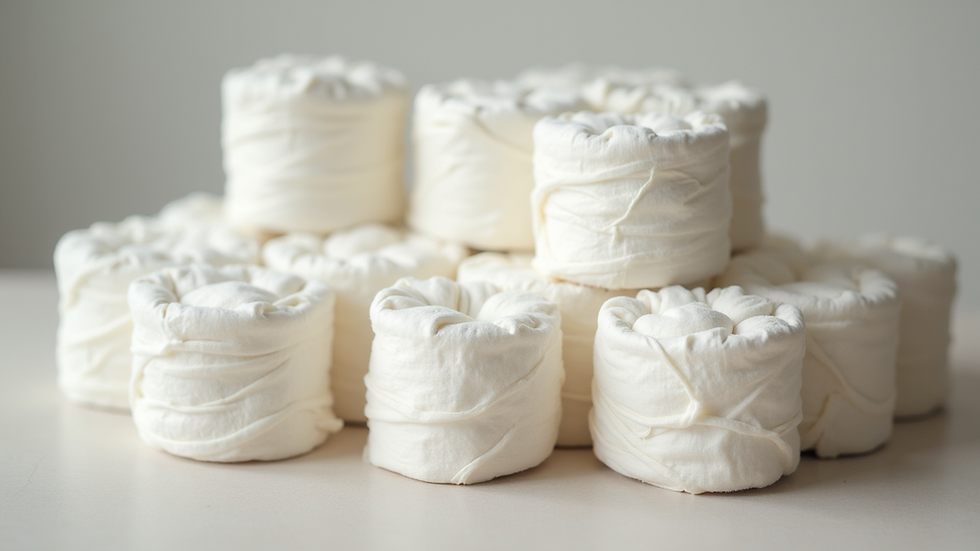
For menstrual hygiene, there are excellent sustainable alternatives to disposable pads and tampons. Menstrual cups are made from medical-grade silicone and can last up to 10 years. Cloth pads are washable and come in various sizes and absorbencies.
Benefits include:
Significant reduction in waste.
Cost savings over time.
Less exposure to chemicals and fragrances.
What is a sustainable alternative to sanitary pads?
If you’re looking for a sustainable alternative to sanitary pads, menstrual cups and cloth pads are the top choices. Menstrual cups collect menstrual fluid and can be emptied, washed, and reused. They are discreet, comfortable, and eco-friendly.
Cloth pads are made from natural fabrics like cotton or bamboo. They are washable and reusable, reducing the need for single-use products. Both options help you avoid the plastic and chemicals found in many conventional pads.
How to choose:
Consider your flow and comfort preferences.
Start with a smaller size if you’re new to menstrual cups.
Follow cleaning instructions carefully to maintain hygiene.
Sustainable Hair Care Essentials
Hair care is another area where you can make eco-friendly swaps. Many shampoos and conditioners come in plastic bottles and contain synthetic ingredients.
Solid Shampoo Bars
Solid shampoo bars are concentrated, plastic-free, and last longer than liquid shampoos. They often use natural ingredients like shea butter, coconut oil, and essential oils.
Advantages:
No plastic packaging.
Travel-friendly and spill-proof.
Less water content means less weight and carbon footprint.
Wooden Hairbrushes
Plastic hairbrushes contribute to microplastic pollution. Wooden hairbrushes with natural bristles are biodegradable and gentle on your scalp.
Care tips:
Clean regularly to remove hair and oils.
Avoid soaking in water to prevent damage.

How to Make Your Bathroom More Sustainable
Switching products is a great start, but you can also make your entire bathroom routine more sustainable. Here are some simple ideas:
Use refillable containers for liquid soaps and shampoos.
Choose towels made from organic cotton or bamboo.
Install water-saving showerheads and faucets.
Compost biodegradable waste like hair and cotton rounds.
Avoid single-use plastics like disposable razors and floss picks.
By making these small changes, you create a bathroom environment that supports your eco-friendly lifestyle.
Embracing Sustainable Hygiene Products for a Better Tomorrow
Choosing sustainable hygiene products is a powerful way to care for yourself and the planet. Every small change adds up to a big impact. Whether it’s switching to a bamboo toothbrush or trying a menstrual cup, you’re contributing to a cleaner, healthier world.
Remember, sustainability is a journey. Start with one product and gradually build your eco-friendly routine. You’ll feel good knowing you’re making a difference while enjoying high-quality, comfortable hygiene products every day.
Let’s make our daily hygiene routine a celebration of care - for ourselves and the Earth.


Comments