
Selecting the Best Sustainable Hygiene Items
- Mario Mateus
- Dec 1, 2025
- 3 min read
Choosing the right hygiene products is more important than ever. With growing awareness about environmental impact and personal health, many people are turning to sustainable options. Sustainable hygiene items help reduce waste, avoid harmful chemicals, and support eco-friendly practices. This guide will walk you through how to select the best products that are good for you and the planet.
Understanding Sustainable Hygiene Items
Sustainable hygiene items are designed to minimize environmental harm while maintaining high standards of cleanliness and care. These products often use natural ingredients, biodegradable materials, and packaging that can be recycled or composted. When shopping for these items, look for certifications like organic, cruelty-free, or zero waste.
Some common sustainable hygiene items include:
Bamboo toothbrushes with biodegradable bristles
Reusable cotton rounds or washable makeup remover pads
Organic cotton tampons and pads
Natural deodorants without aluminum or parabens
Bar soaps instead of liquid soaps in plastic bottles
Choosing these products helps reduce plastic pollution and chemical runoff, which can harm ecosystems and wildlife.

How to Choose Sustainable Hygiene Items That Work for You
Selecting sustainable hygiene items can feel overwhelming with so many options available. Here are some practical tips to help you make the best choices:
Check Ingredients
Avoid products with synthetic fragrances, parabens, sulfates, and other harmful chemicals. Look for natural ingredients like shea butter, coconut oil, and essential oils.
Consider Packaging
Opt for products with minimal or recyclable packaging. Glass jars, cardboard boxes, and compostable wrappers are better than plastic containers.
Think About Reusability
Items like menstrual cups, washable cloth pads, and reusable razors reduce waste over time.
Read Reviews and Certifications
Look for products that have been tested and certified by reputable organizations. Customer reviews can also provide insight into product effectiveness.
Try Sample Sizes First
Before committing to a full-size product, try samples to ensure it suits your skin type and preferences.
By following these steps, you can find sustainable hygiene items that meet your needs without compromising on quality.
What are the best non-toxic cleaning supplies?
Non-toxic cleaning supplies are essential for maintaining a healthy home environment. They avoid harsh chemicals that can irritate skin, eyes, and respiratory systems. Here are some of the best options:
Vinegar and Baking Soda: Natural and effective for cleaning surfaces, deodorizing, and unclogging drains.
Castile Soap: A vegetable-based soap that works well for dishes, floors, and even laundry.
Essential Oils: Add antibacterial properties and pleasant scents to homemade cleaners.
Microfiber Cloths: Reduce the need for chemical cleaners by trapping dirt and bacteria physically.
Plant-Based All-Purpose Cleaners: Brands that use biodegradable ingredients and avoid synthetic fragrances.
Using these supplies helps protect your family’s health and reduces environmental pollution.
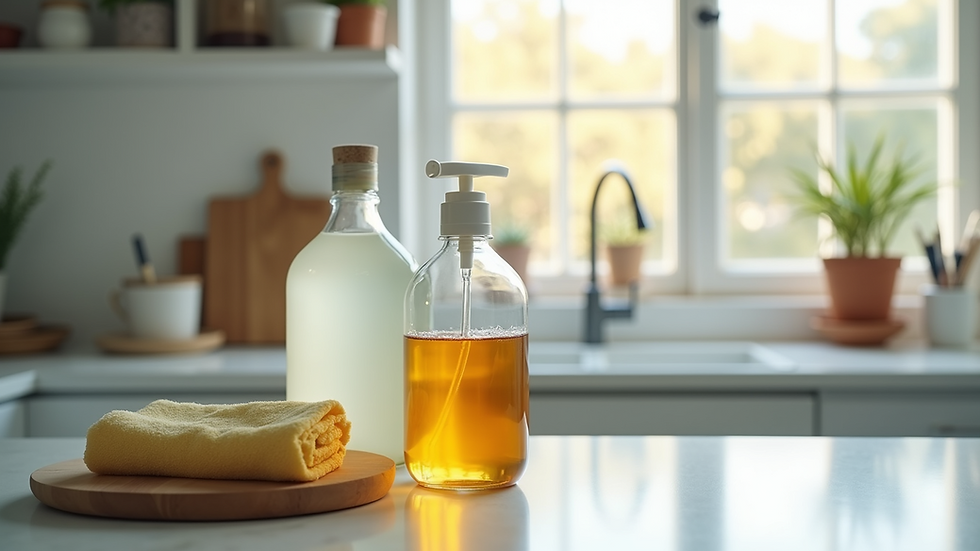
Benefits of Switching to Sustainable Hygiene Products
Switching to sustainable hygiene products offers many advantages beyond environmental impact:
Healthier Skin and Body
Natural ingredients reduce the risk of allergic reactions and skin irritation.
Cost Savings Over Time
Reusable items like menstrual cups and washable pads save money compared to disposable products.
Supporting Ethical Brands
Many sustainable brands prioritize fair labor practices and cruelty-free testing.
Reducing Waste
Less plastic and fewer chemicals mean less pollution in landfills and oceans.
Promoting Awareness
Choosing sustainable products encourages others to make eco-friendly decisions.
By making small changes in your hygiene routine, you contribute to a larger movement toward sustainability.
Tips for Incorporating Sustainable Hygiene Items into Your Routine
Adopting sustainable hygiene items can be simple with a few easy steps:
Start Small
Replace one product at a time, such as switching to a bamboo toothbrush or natural deodorant.
Educate Yourself
Learn about the environmental impact of common hygiene products and alternatives.
DIY When Possible
Make your own toothpaste, deodorant, or cleaning sprays using natural ingredients.
Buy in Bulk or Refill
Choose stores that offer refill stations to reduce packaging waste.
Involve Your Household
Encourage family members to try sustainable options and share their experiences.
These tips make the transition smoother and more sustainable in the long run.
Where to Find Reliable Sustainable Hygiene Products
Finding trustworthy sources for sustainable hygiene products is key. Many online retailers and local stores now specialize in eco-friendly items. You can explore options at health food stores, zero waste shops, and ethical marketplaces.
For a comprehensive selection and more information, visit sustainable hygiene products. This resource offers guidance on choosing products that align with your values and lifestyle.
By shopping consciously, you support businesses committed to sustainability and quality.
Making the switch to sustainable hygiene items is a meaningful step toward a healthier lifestyle and a cleaner planet. With the right knowledge and resources, you can find products that work well for you and reduce your environmental footprint. Start today by exploring natural ingredients, reusable options, and eco-friendly brands to create a sustainable hygiene routine that lasts.


Comments